MOLECULAR RECOGNITION
Condensates & RNA function
How do condensate environments shape RNA structure, dynamics, and interactions?

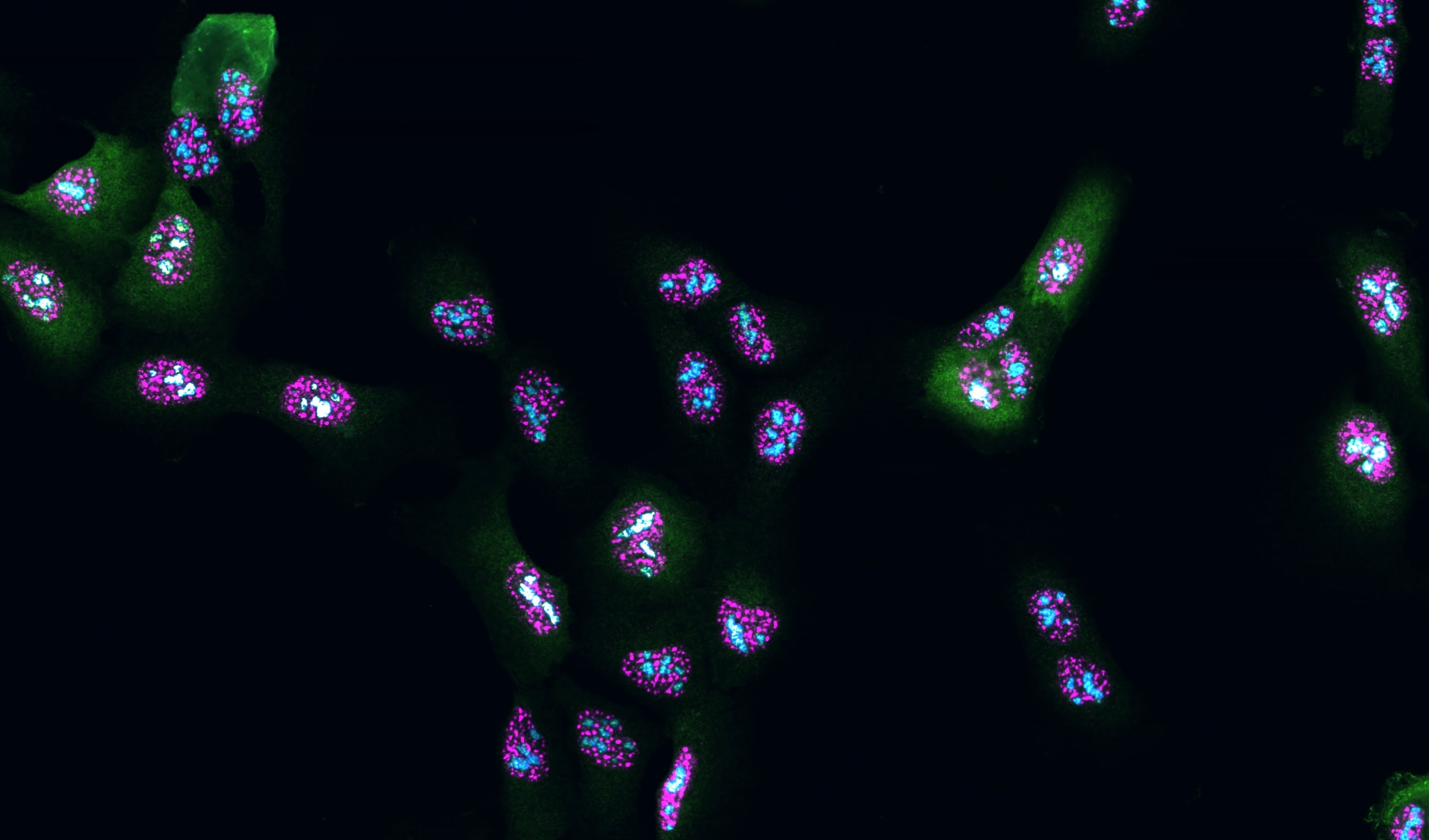
Washington University in St. Louis · School of Medicine · Department of Biochemistry & Molecular Biophysics
The Ðonlić Lab integrates chemical biology, RNA biophysics, and AI-powered imaging to reveal how cellular organization shapes biological function and how these principles can be harnessed to treat disease.
01 — Research
From molecular interactions to disease progression, we investigate how membraneless structures organize cellular functions and how these processes can be measured, predicted, and controlled.
How do condensate environments shape RNA structure, dynamics, and interactions?
How do condensates influence where small molecules act and what they do?
Can condensate organization reveal and control what is happening biochemically inside a cell?
How does altered condensate organization contribute to cancer progression and therapeutic response?
02 — Publications
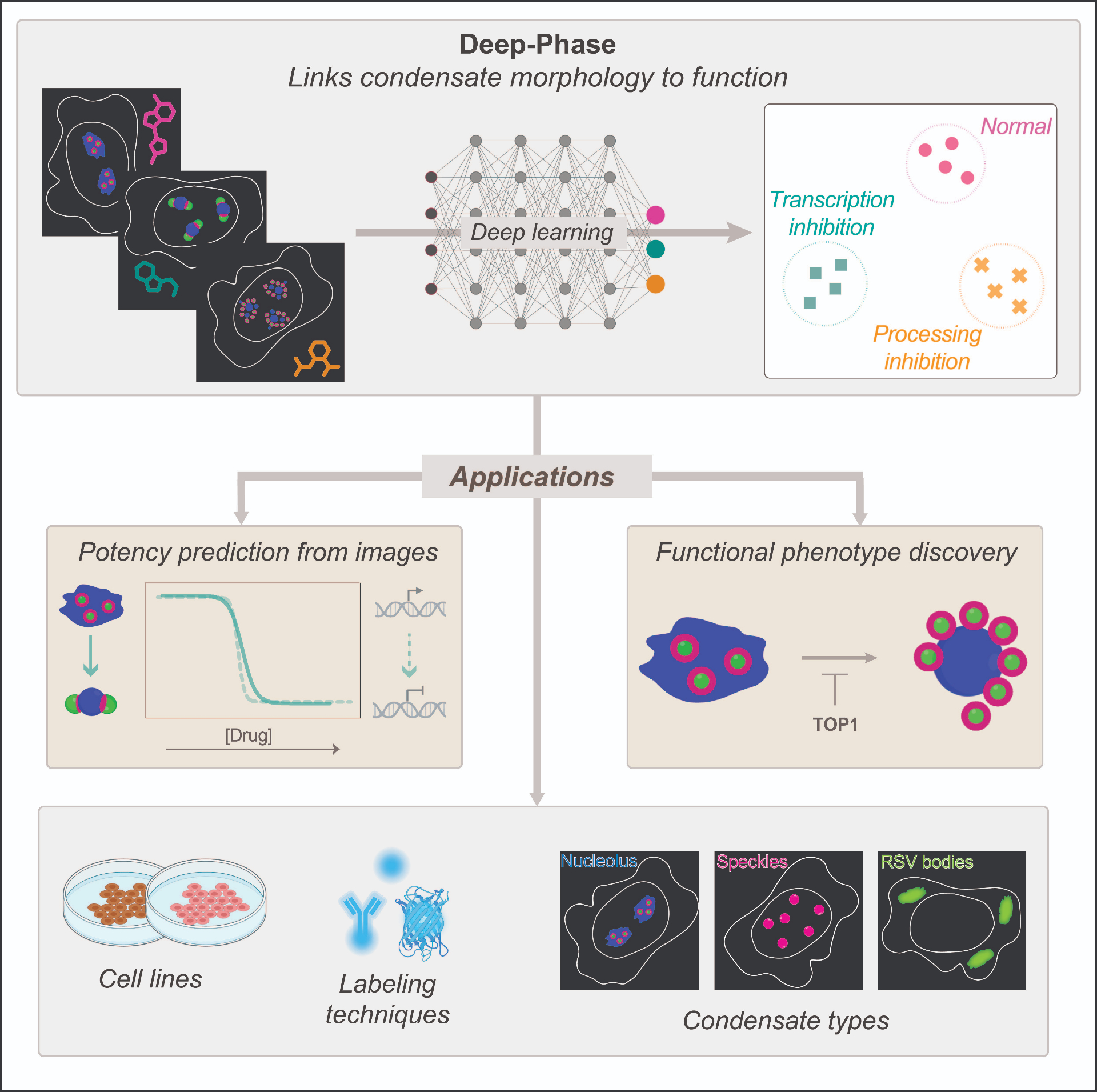
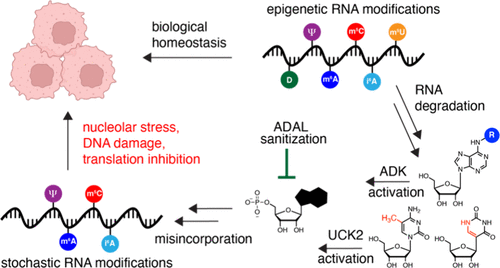
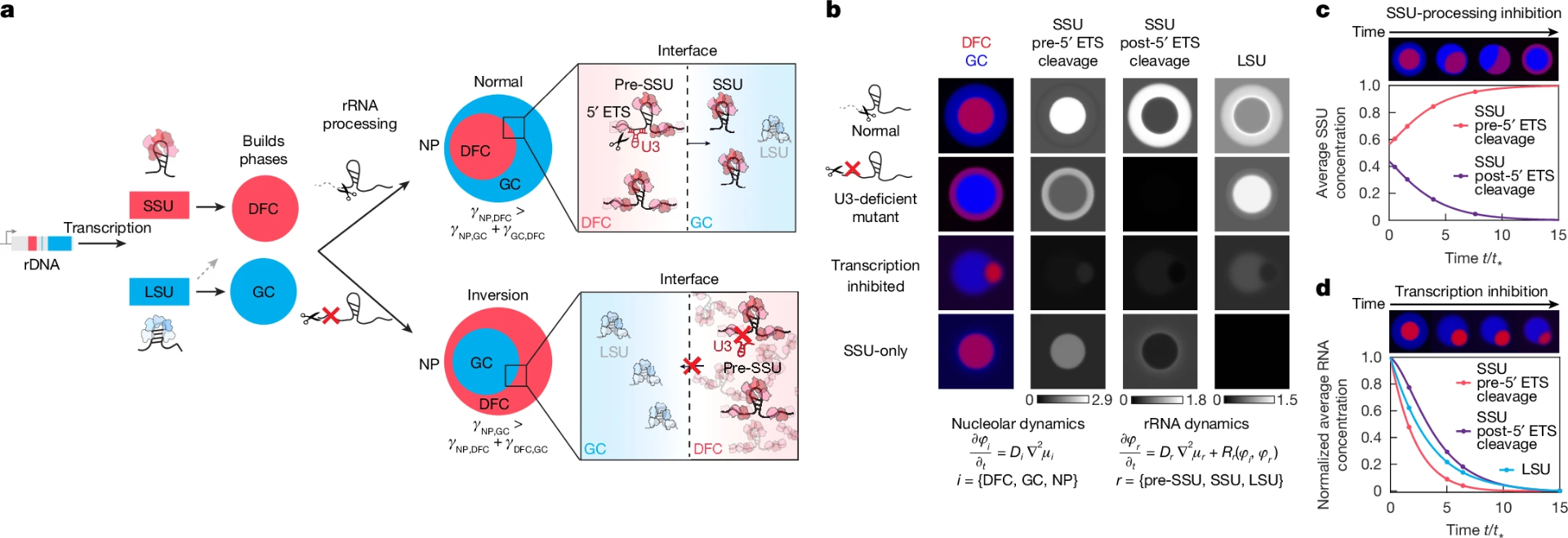
03 — People
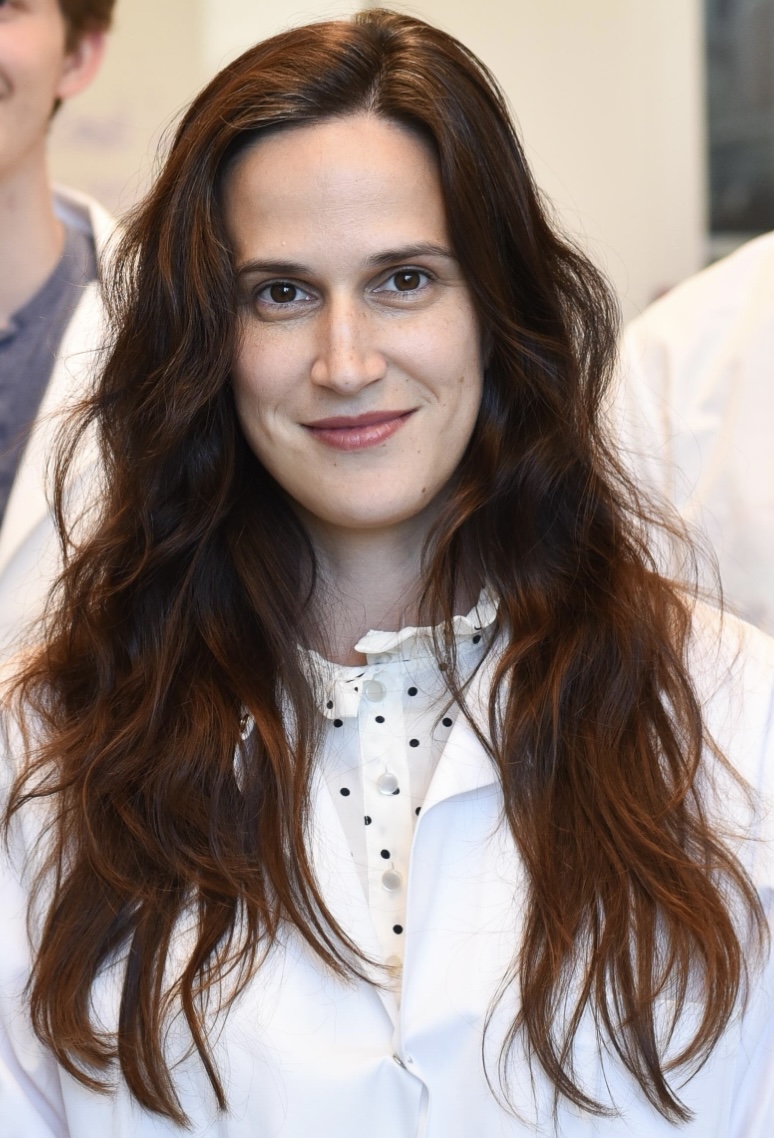
Anita is an Assistant Professor in the Department of Biochemistry and Molecular Biophysics at Washington University School of Medicine in St. Louis. She got her B.S. in Chemistry at Methodist University as a Davis UWC Scholar. During her Ph.D. in Chemistry at Duke University in the laboratory of Prof. Amanda Hargrove, she studied the recognition and regulation of structured RNAs by small molecules. She then completed her postdoctoral training with Prof. Cliff Brangwynne at Princeton University, where she investigated biomolecular condensates and developed quantitative imaging approaches to connect condensate morphology with underlying cellular function.
05 — Join us

Prospective graduate students: Apply through the Roy and Diana Vagelos Division of Biology & Biomedical Sciences (DBBS) at WashU Medicine.
Current WashU graduate and undergraduate students: Email Anita with your CV or résumé and a short description of your research interests.
Undergraduate students outside WashU: Apply through the Summer Undergraduate Research Group Experience (SURGE) Program.
Prospective postdoctoral fellows and staff scientists: Email Anita with your CV and a cover letter describing your research interests and how they connect with the lab’s research.
Ðonlić Lab · 253 McDonnell Medical Sciences Building
Department of Biochemistry & Molecular Biophysics ·
WashU Medicine
4523 Clayton Ave.
St. Louis, MO 63110